
Vintage watches: 10 icons that have stood the test of time
Joshua GrilletAmong the many watch creations that have emerged over the centuries, some have stood out for their innovative nature, exceptional aesthetics, or history. These are the iconic vintage watches that have left their mark on their era and continue to appeal to collectors and keep many watch manufacturers in business.
In this article, I will introduce you to a few of these icons, although I would love to introduce you to countless others! Whether you are a watch enthusiast, curious about watchmaking culture, or simply a lover of popular culture, I hope this article will infect you with the vintage watch bug!
The Rolex Submariner
The Rolex Submariner is undoubtedly the most famous diving watch in the world. It was born out of the passion of René-Paul Jeanneret, director of Rolex and amateur diver, who wanted to design an elegant and robust watch, suitable for both everyday life and underwater activities. It was launched in 1953 with the reference number 6204. It revolutionized the genre by offering water resistance to 100 meters when it was released, then to 200 meters in 1959, and finally to 300 meters in 1979. It appealed to explorers such as Jacques-Yves Cousteau, athletes, actors such as Sean Connery in the role of James Bond, Steve McQueen, and even Che Guevara.
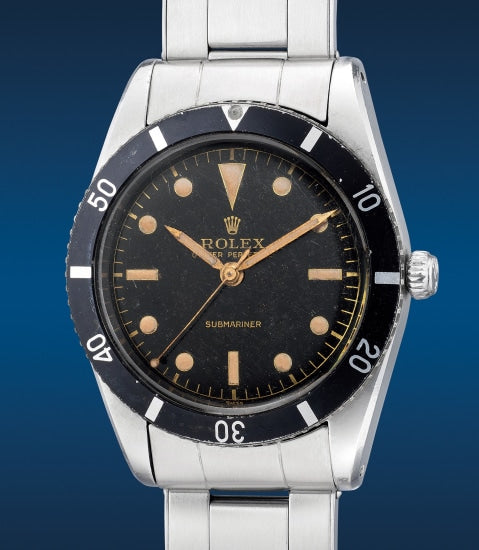
Credit : Philipps.com
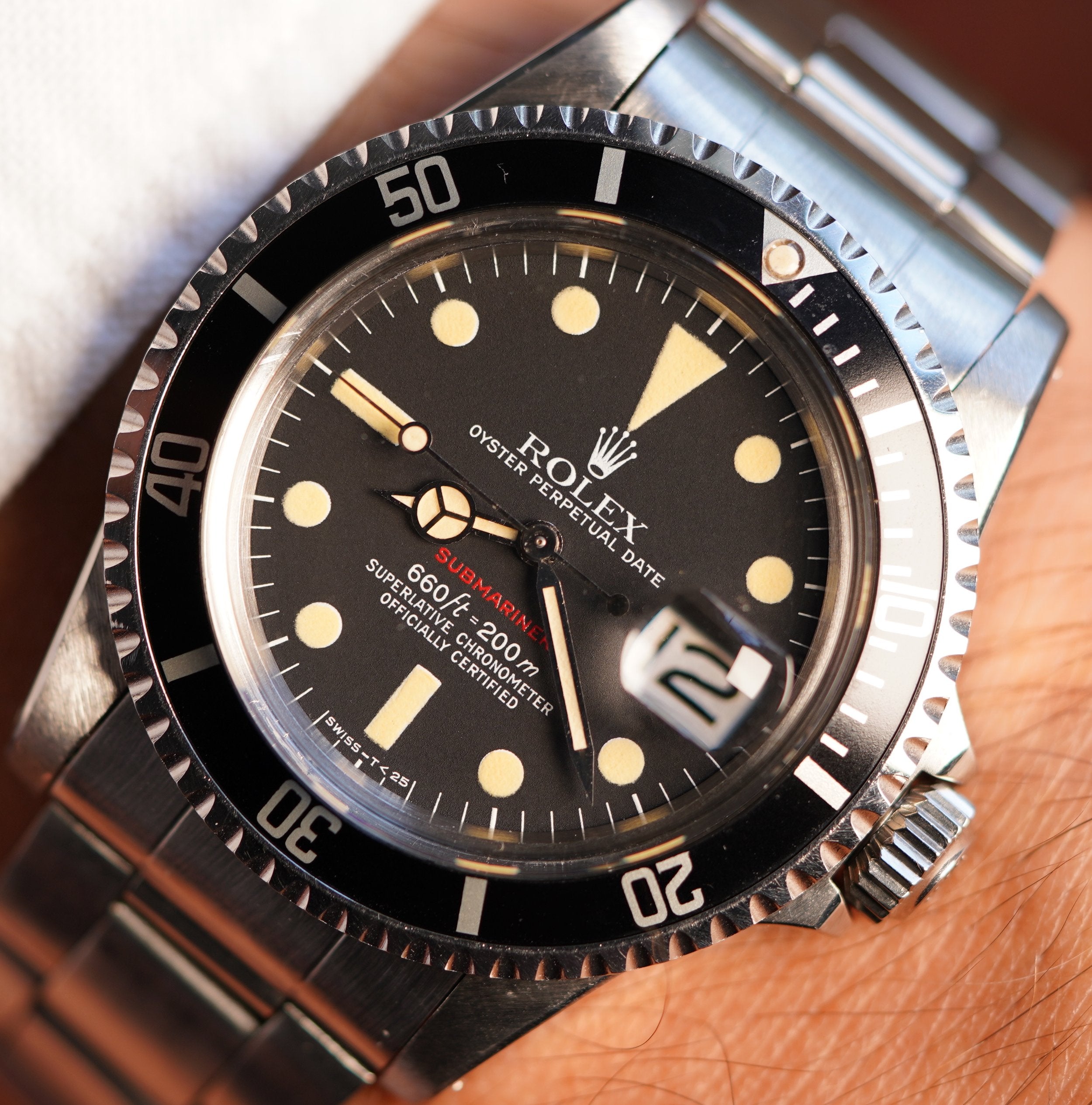
Credit : Windvintage.com

Credit : Europeanwatch.com
The Cartier Tank
The Cartier Tank is a legendary watch inspired by Renault tanks from World War I. Created in 1917, it is characterized by its rectangular case, crown adorned with a cabochon, and Roman numerals. It has graced the wrists of illustrious figures such as General de Gaulle, Jackie Kennedy, Andy Warhol, and Lady Diana. It has been produced in many different versions, such as the Tank Américaine, the Tank Française, the Tank Solo, and the Tank Louis Cartier. It remains a symbol of elegance and refinement. A legend that shook up the world of watchmaking, which at the time was dominated by round pocket watches.
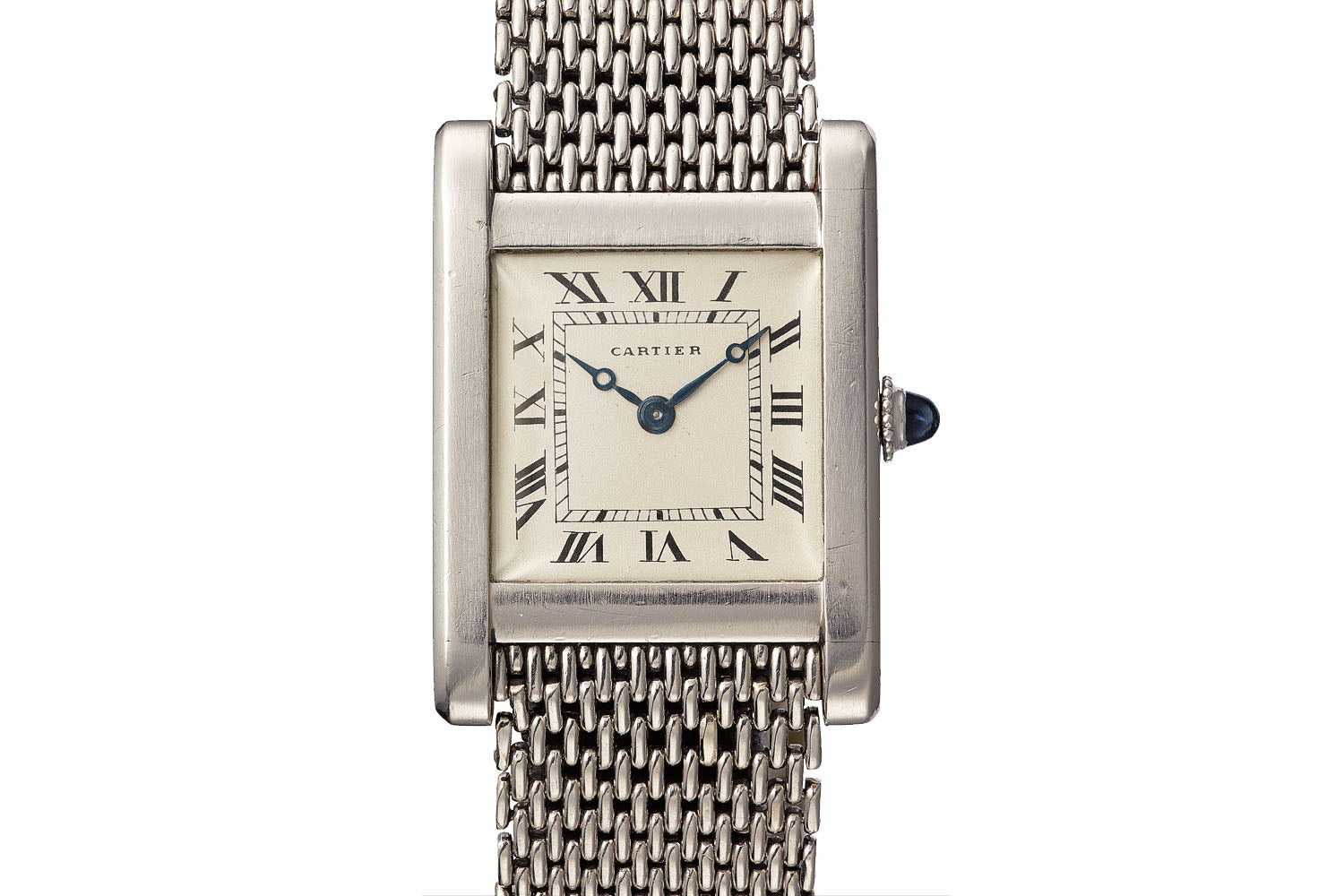
Crédit : Monochrome-watches.com

Crédit : Monochrome-watches.com
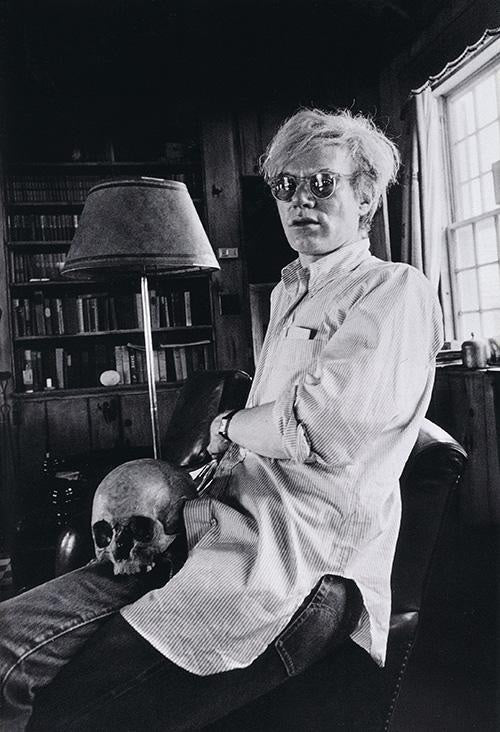
Crédit : Moonphase.fr
The Omega Speedmaster
The Omega Speedmaster is the watch that conquered the Moon. Created in 1957 under the reference CK2915 with the caliber 321 developed by Lemania, it was chosen by NASA in 1965 to accompany astronauts on their space missions. It was the first watch to be worn on the Moon, by Buzz Aldrin, during the Apollo 11 mission in 1969. It was also the watch that saved the lives of the Apollo 13 astronauts, enabling them to time the duration of the trajectory correction. It is nicknamed the “Moonwatch” and proudly bears the engraving “Flight-qualified by NASA for all space missions” on its back. It is a robust chronograph steeped in history, featuring a tachymeter scale, a black dial, and three counters. It is a watch that has changed little since its creation.
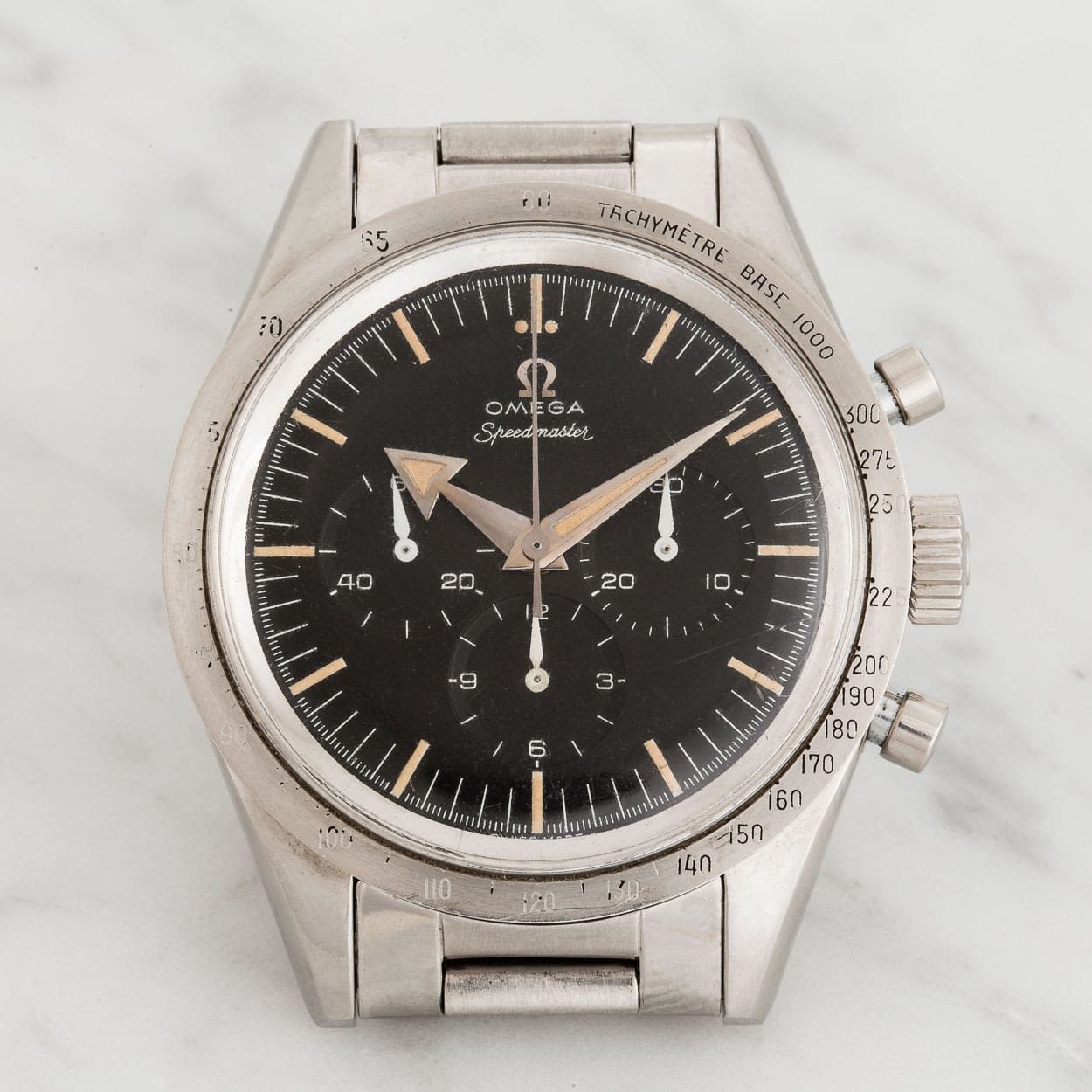
Crédit : fratellowatches.com

Crédit : Nasa.gov
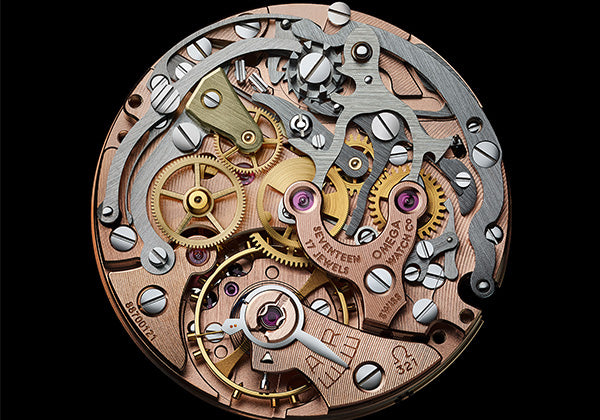
Crédit : omega.com
The Audemars Piguet Royal Oak
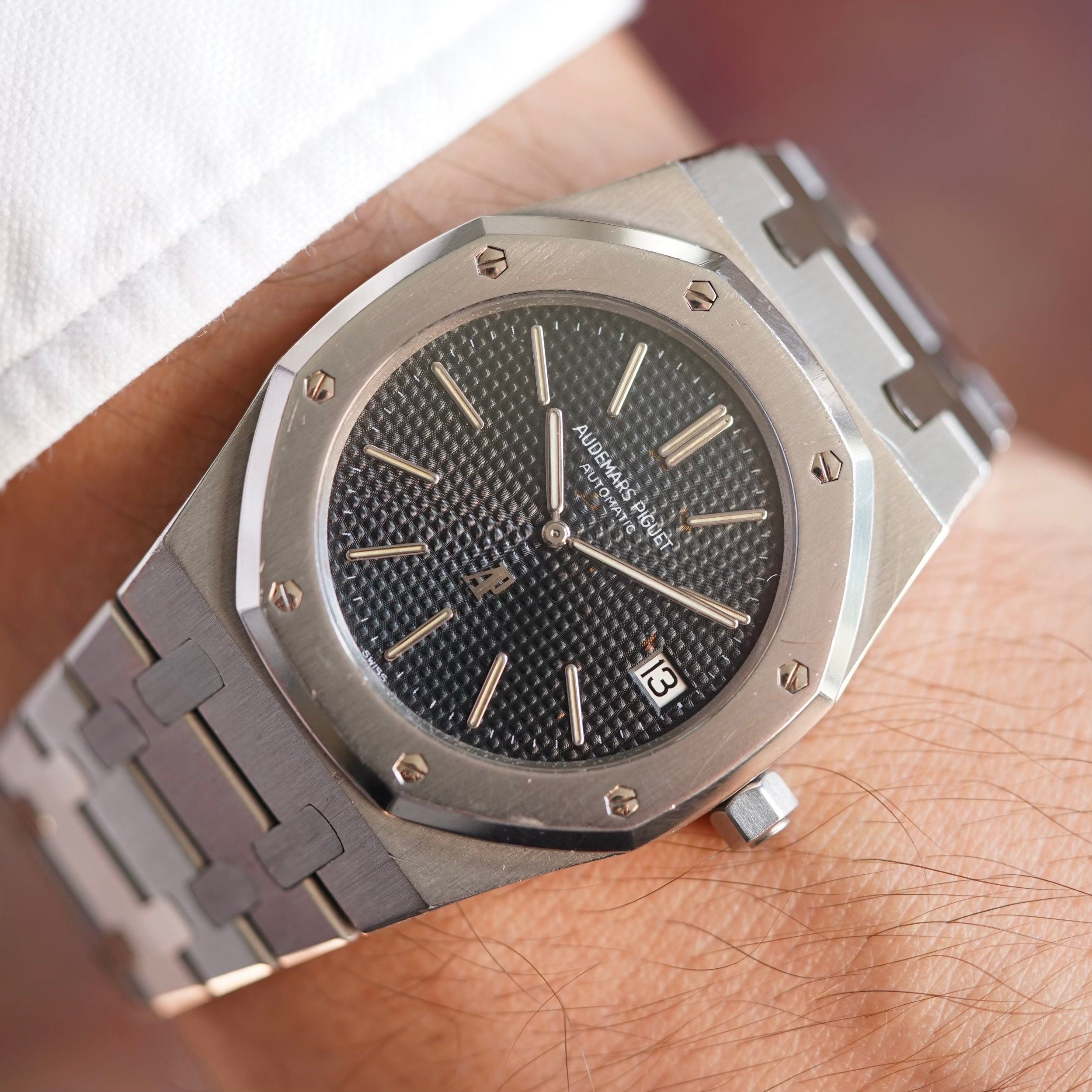
The Audemars Piguet Royal Oak is a watch that shook up the world of luxury watchmaking. Designed in 1972 under the reference number 5402ST, it was the first sports watch made of steel to be sold at the price of a gold watch. It owes its name to a British battleship, from which it takes its octagonal porthole shape. It is distinguished by its angular case, screw-down bezel, guilloché “Tapisserie” dial, integrated bracelet, and ultra-thin 2121 caliber based on the Jaeger-LeCoultre 920 caliber. It was designed by the famous designer Gerald Genta. The Royal Oak has given rise to numerous variations and is clearly the driving force behind Audemars Piguet today.
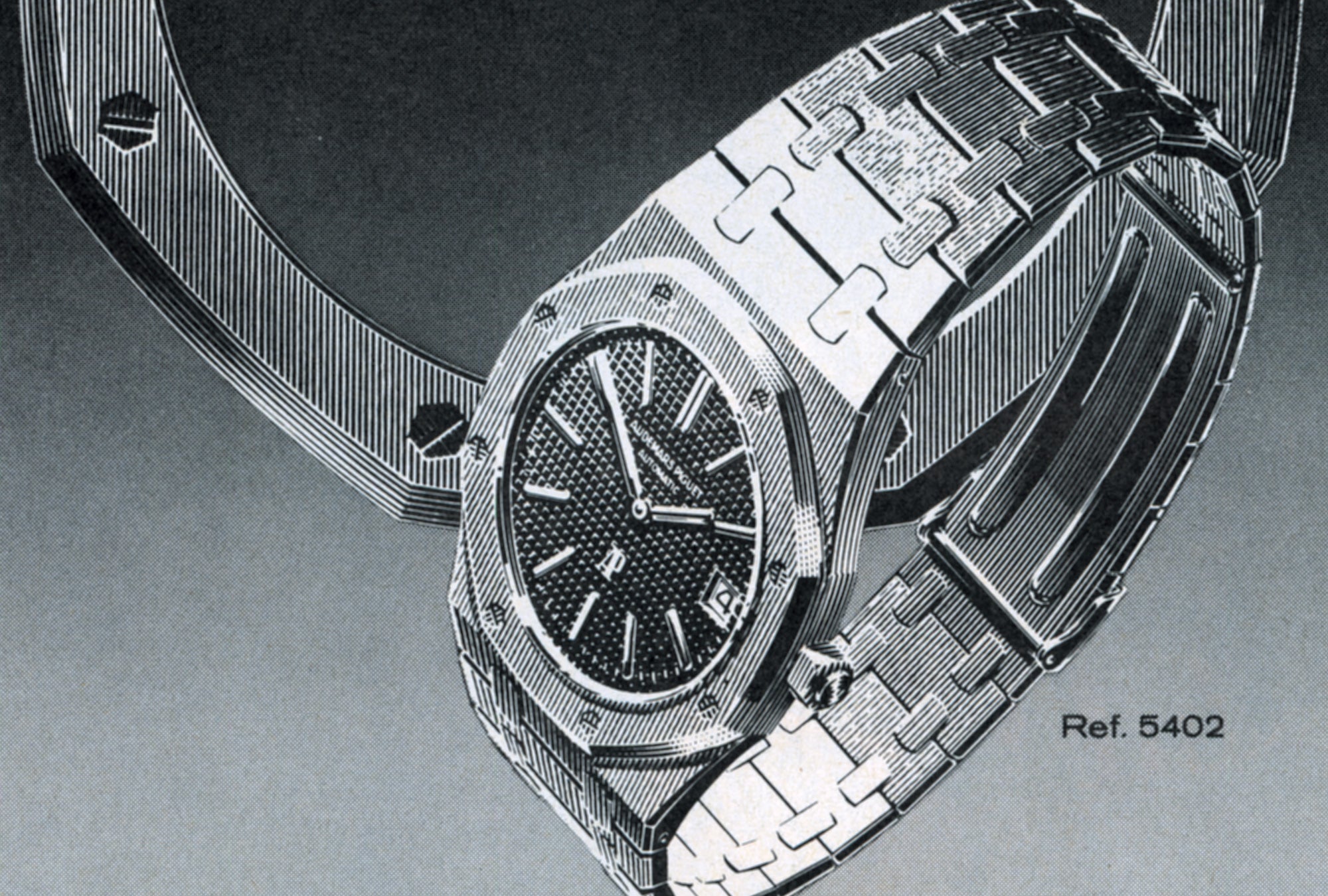
Crédit : apchronicles.audemarspiguet.com
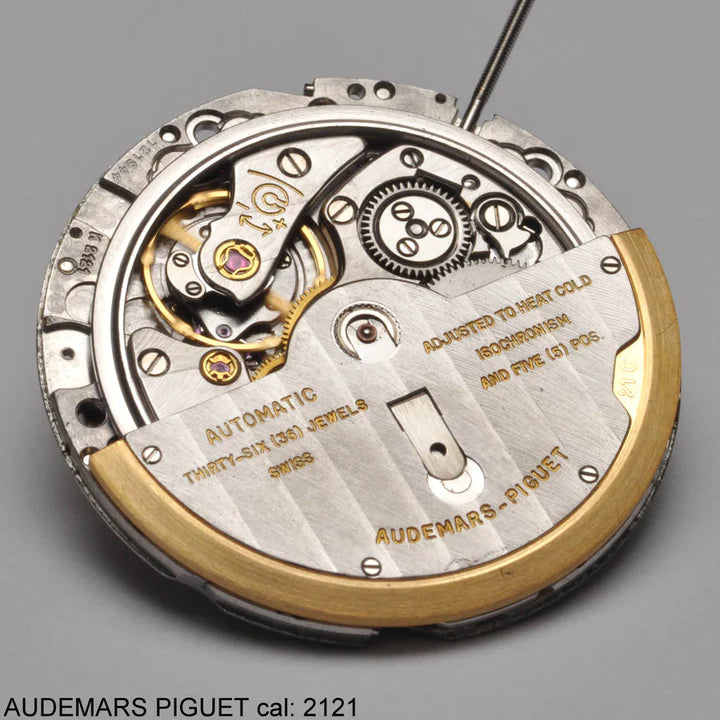
Crédit : urdelar.se
Crédit : windvintage.com
The Jaeger-LeCoultre Reverso
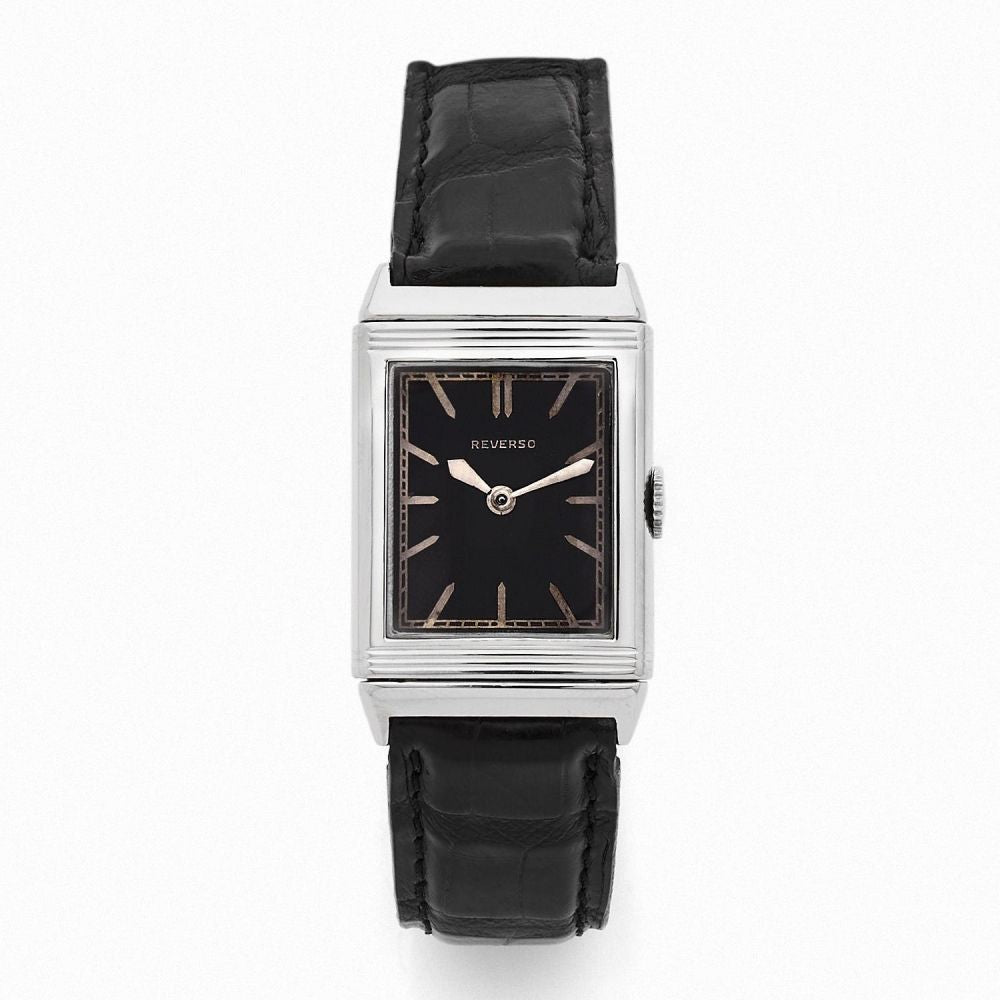
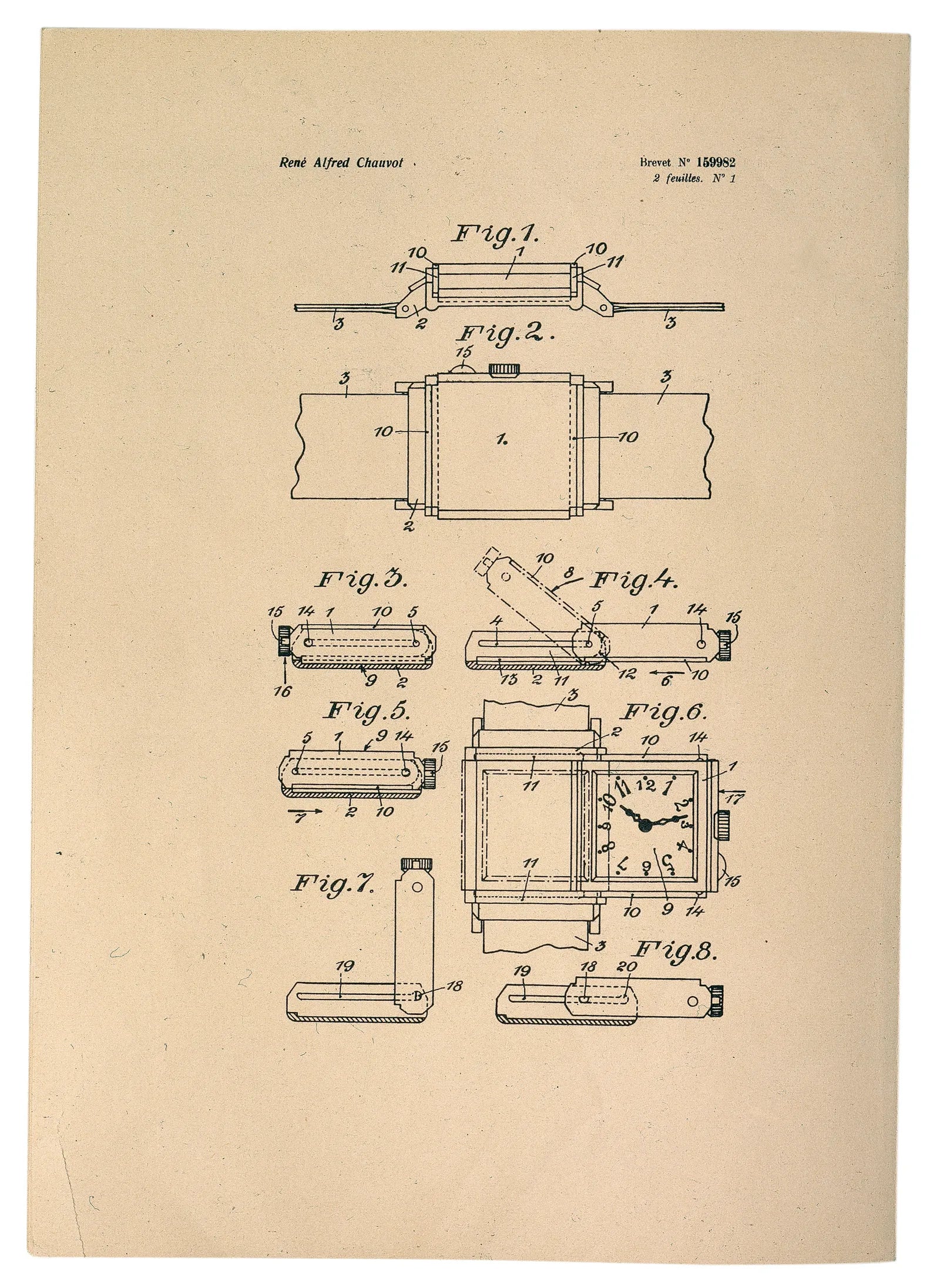
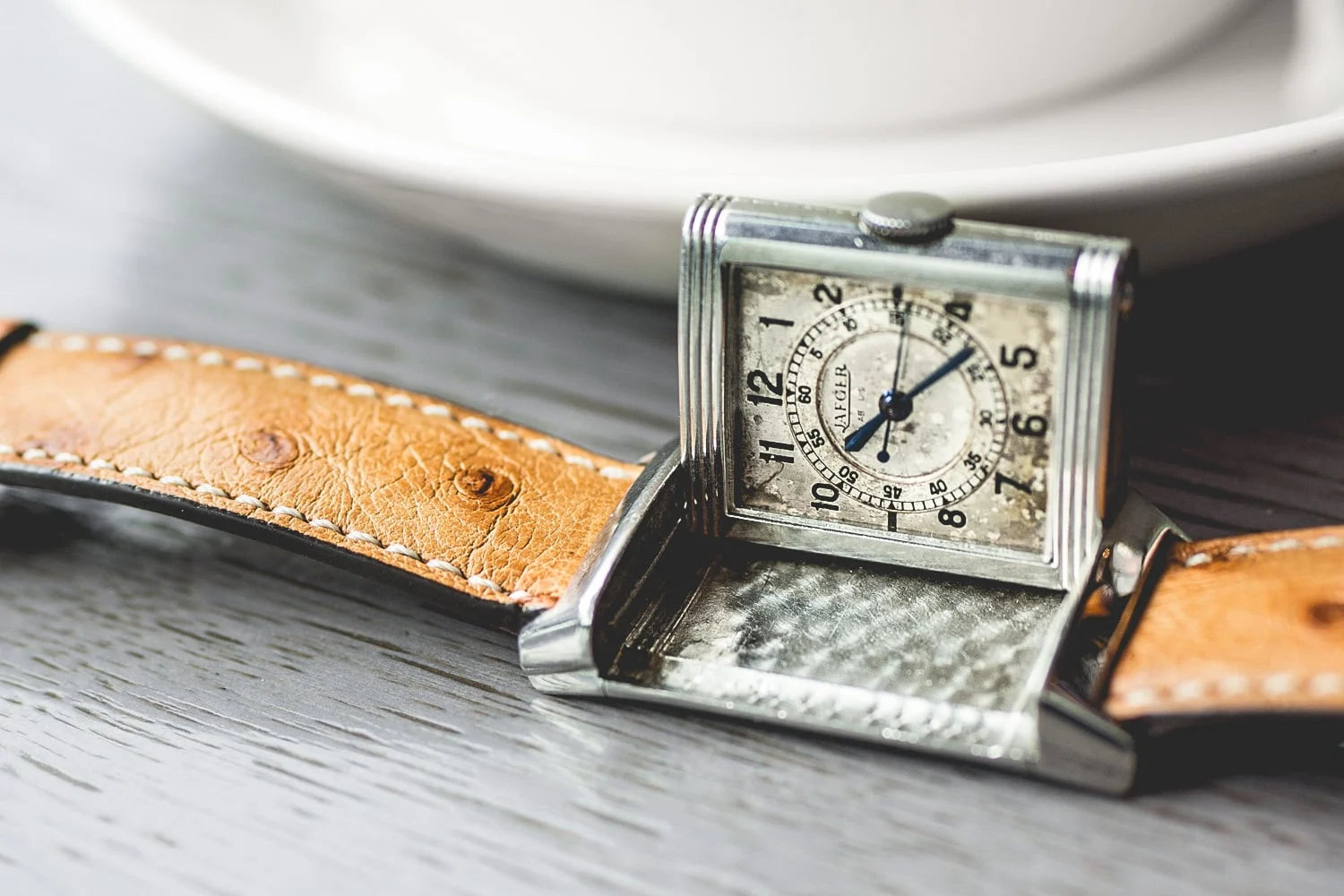
The Jaeger-LeCoultre Reverso 201 with its Tavannes 064 caliber is a watch with a unique concept, born out of a challenge. In 1931, a British officer and polo enthusiast complained that the glass on his watch kept breaking during games. The Swiss manufacturer took up the challenge of creating a watch that could withstand shocks, inventing an ingenious system: the case could pivot on itself and turn over, thus protecting the glass. The Reverso thus became a two-sided watch, offering the possibility of personalizing the back with an engraving, an enamel decoration, or another complication. It appealed to personalities such as King Edward VIII, who had his coat of arms engraved on it, and actor Alain Delon, who wore it in several films. Today, it is available in several sizes, shapes, and colors for both men and women.
Crédit : collectorsquare.com
Crédit : gq.com
Crédit : lesrhabilleurs.com
The Patek Philippe Nautilus
The Patek Philippe Nautilus is another luxury sports watch, created in 1976 under the reference 3700/1A, also by Gerald Genta. It is inspired by the marine world and Jules Verne's novel, “Twenty Thousand Leagues Under the Sea.” Its steel case, with rounded lines, evokes a ship's porthole. Its blue dial, decorated with a horizontal pattern, is reminiscent of ocean waves. Its integrated bracelet, with polished and satin-finished links, ensures optimal comfort. It is equipped with an ultra-thin automatic movement, the caliber 28-255C, which is also based on the Jaeger-LeCoultre caliber 920. It is one of the most coveted watches by collectors, who appreciate its rarity, quality of finish, and ultimate elegance.
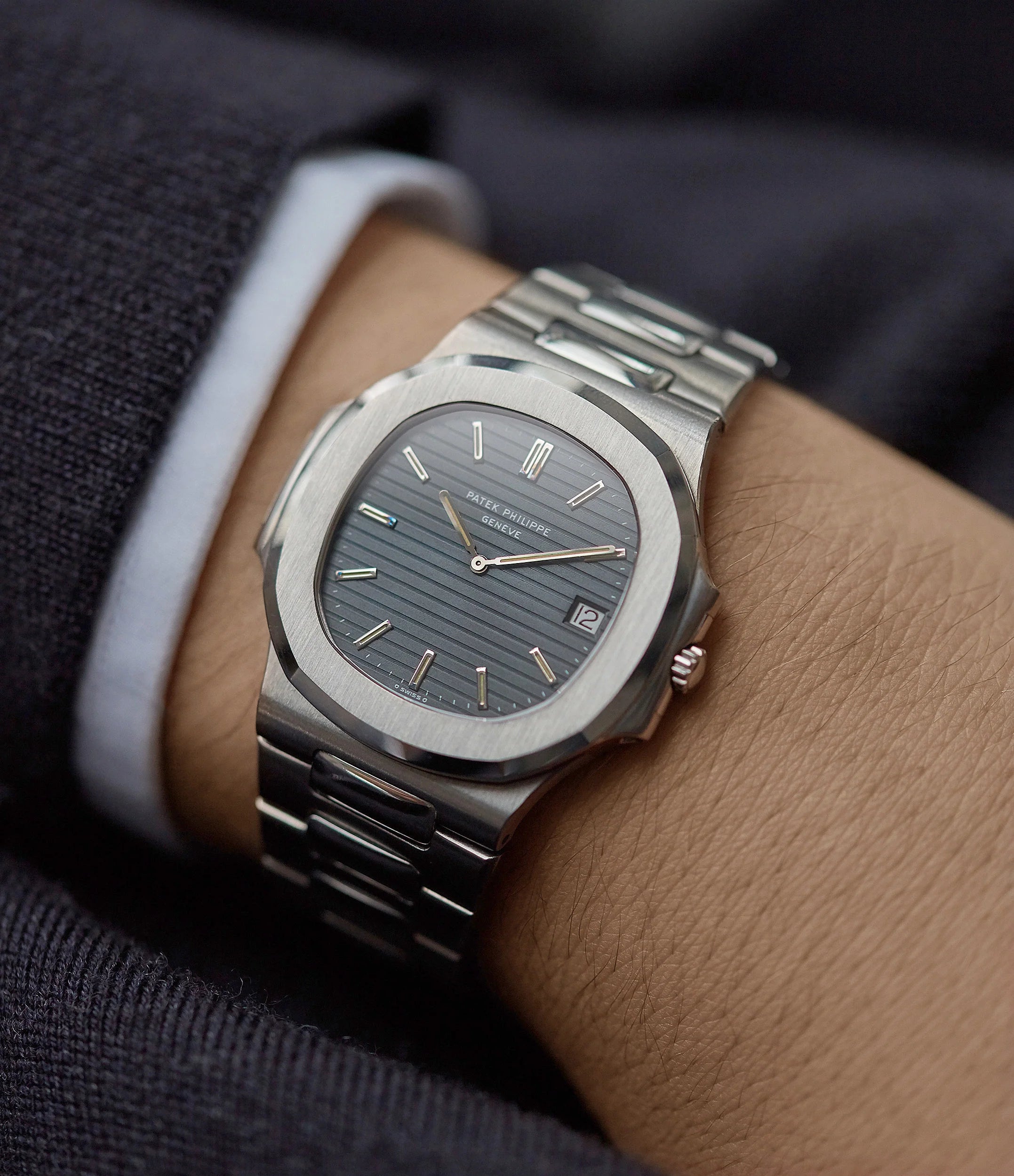
Crédit : acollectedman.com
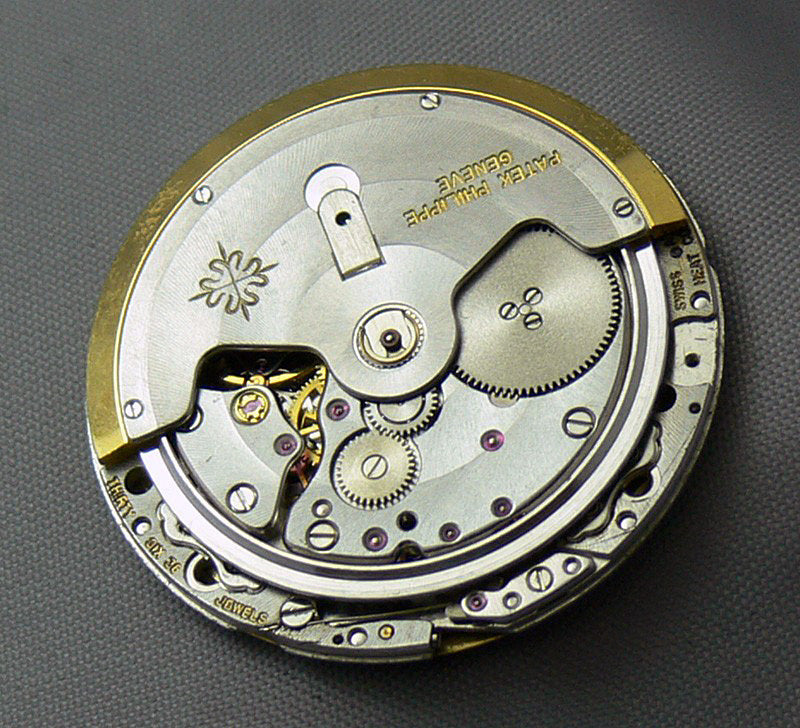
Crédit : monochrome-watches.com
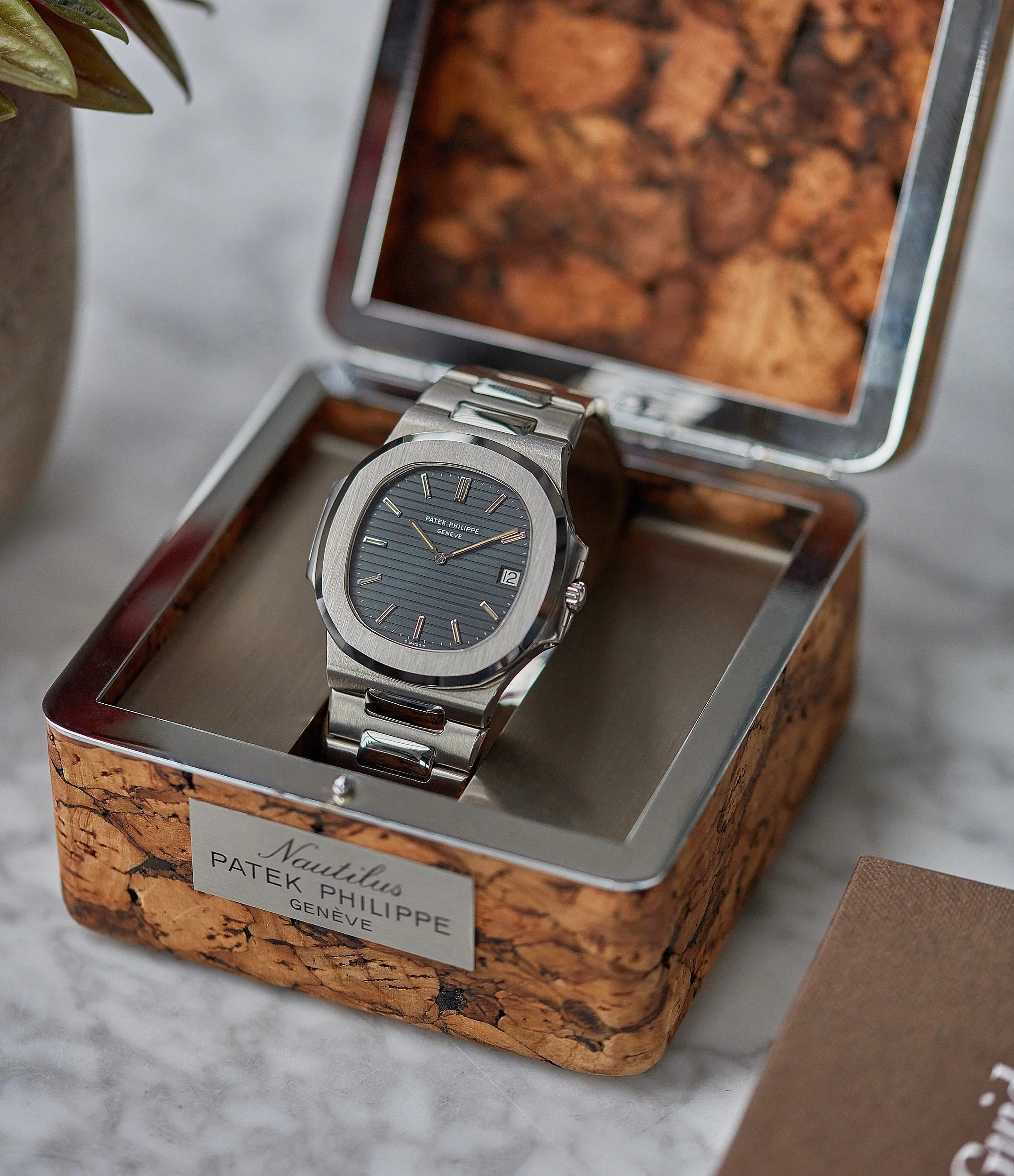
Crédit : acollectedman.com
The Heuer Monaco
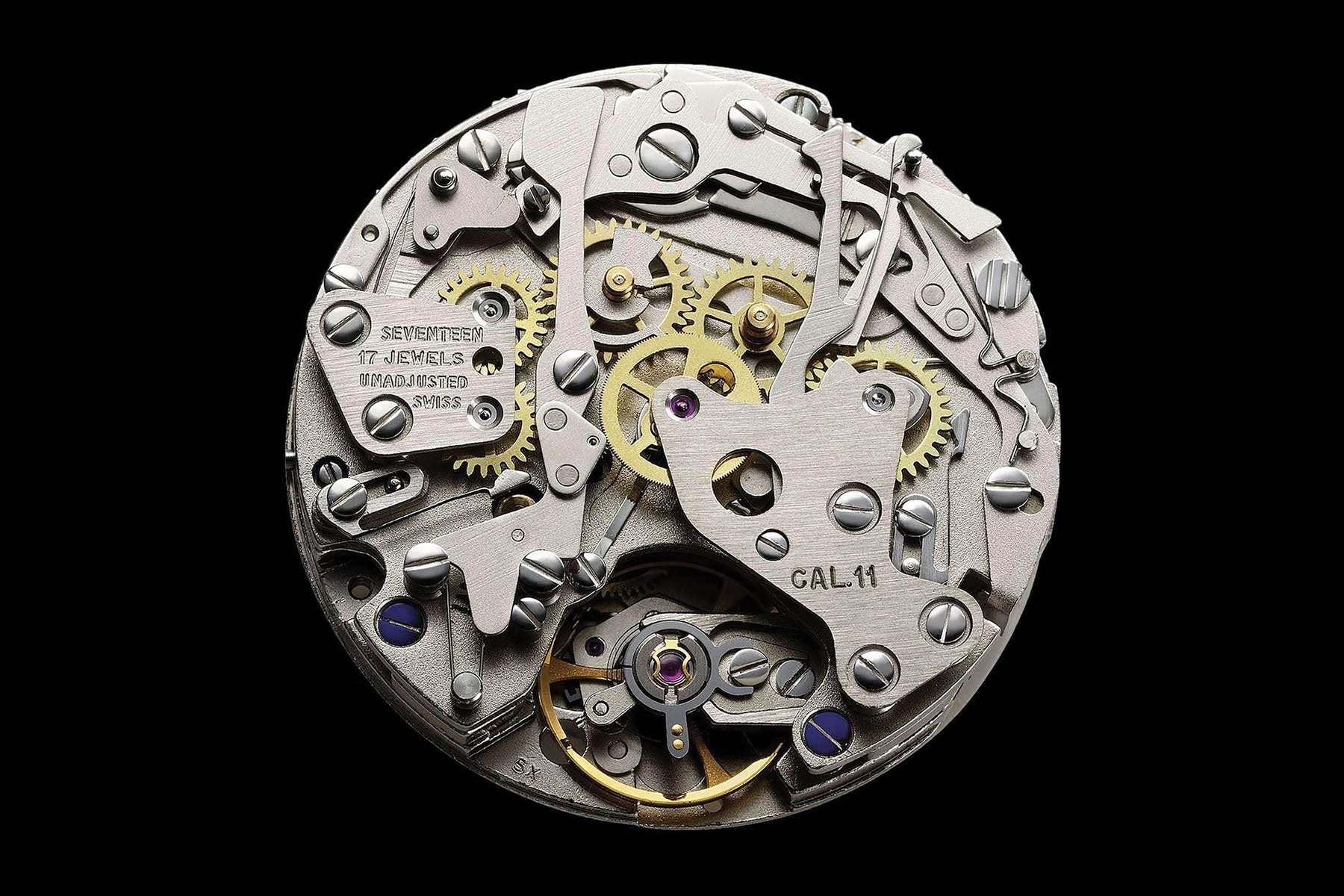
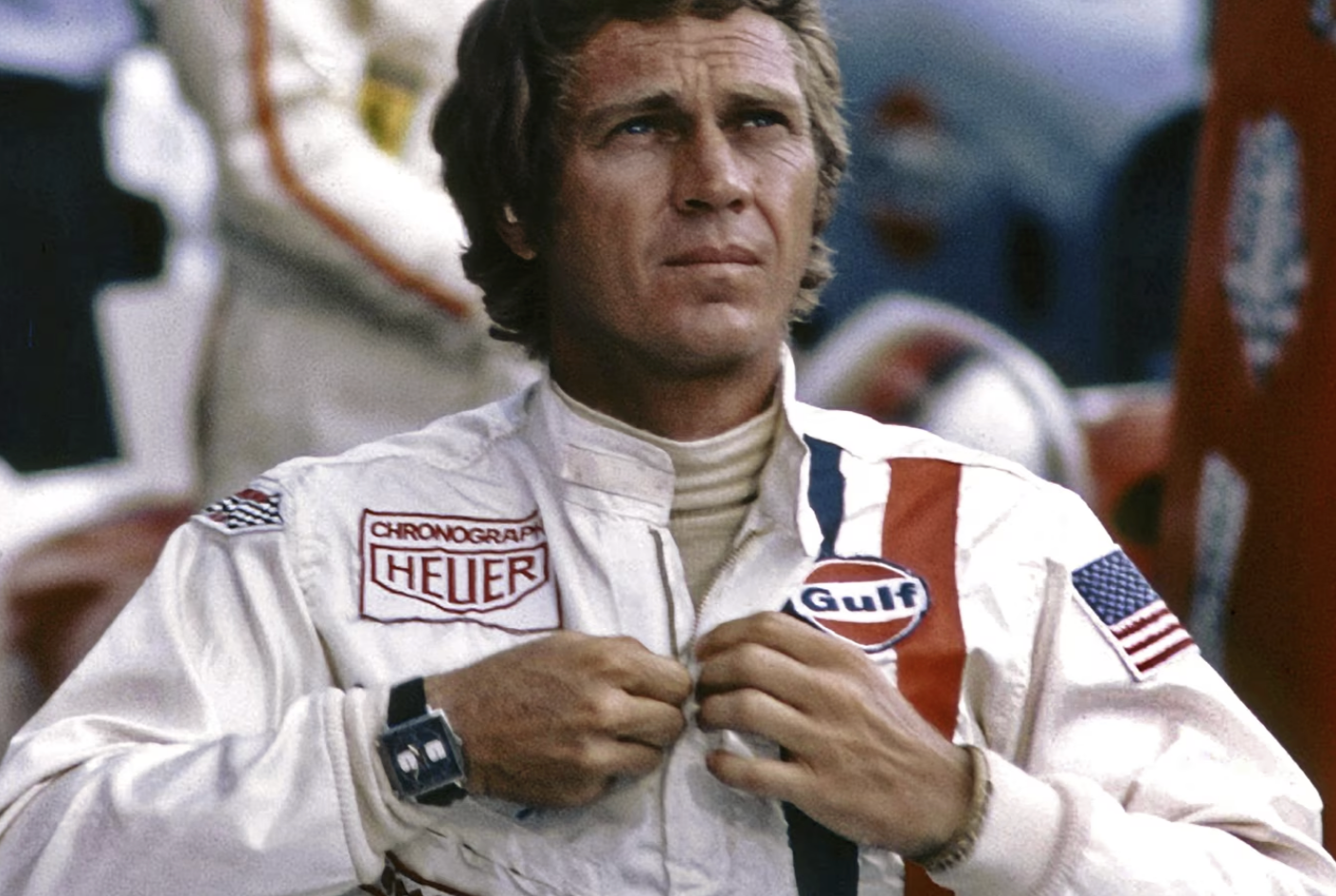
The Heuer Monaco 1133B is a watch that has made its mark on the history of cinema and motor racing. Launched in 1969, it was the first square waterproof chronograph watch (case designed by E. Piquerez SA) and one of the first watches to house an automatic chronograph, the famous Calibre 11, created by the Heuer-Leonidas consortium (the predecessor of Tag Heuer), Breitling, Hamilton-Büren, and Dubois-Dépraz. It owes its name to the famous Formula 1 race, the Monaco Grand Prix, of which the brand is a partner. It also owes its fame to actor Steve McQueen, who wore it in the 1971 film “Le Mans.” Its bold design, blue dial with bright red accents, and left-hand crown made it a tremendously avant-garde watch.
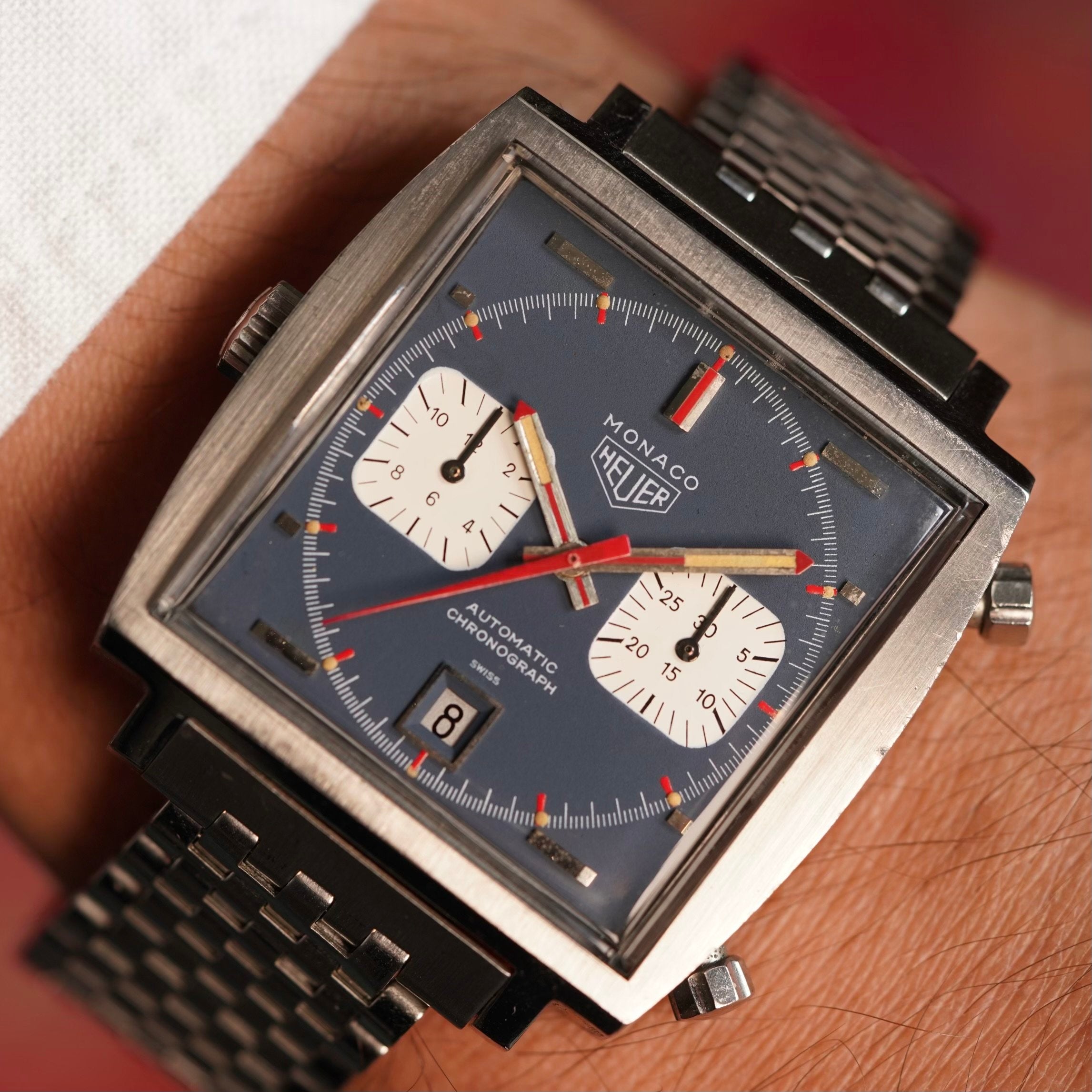
Crédit : windvintage.com
Crédit : monochrome-watches.com
Crédit : tagheuer.com
The Blancpain Fifty Fathoms
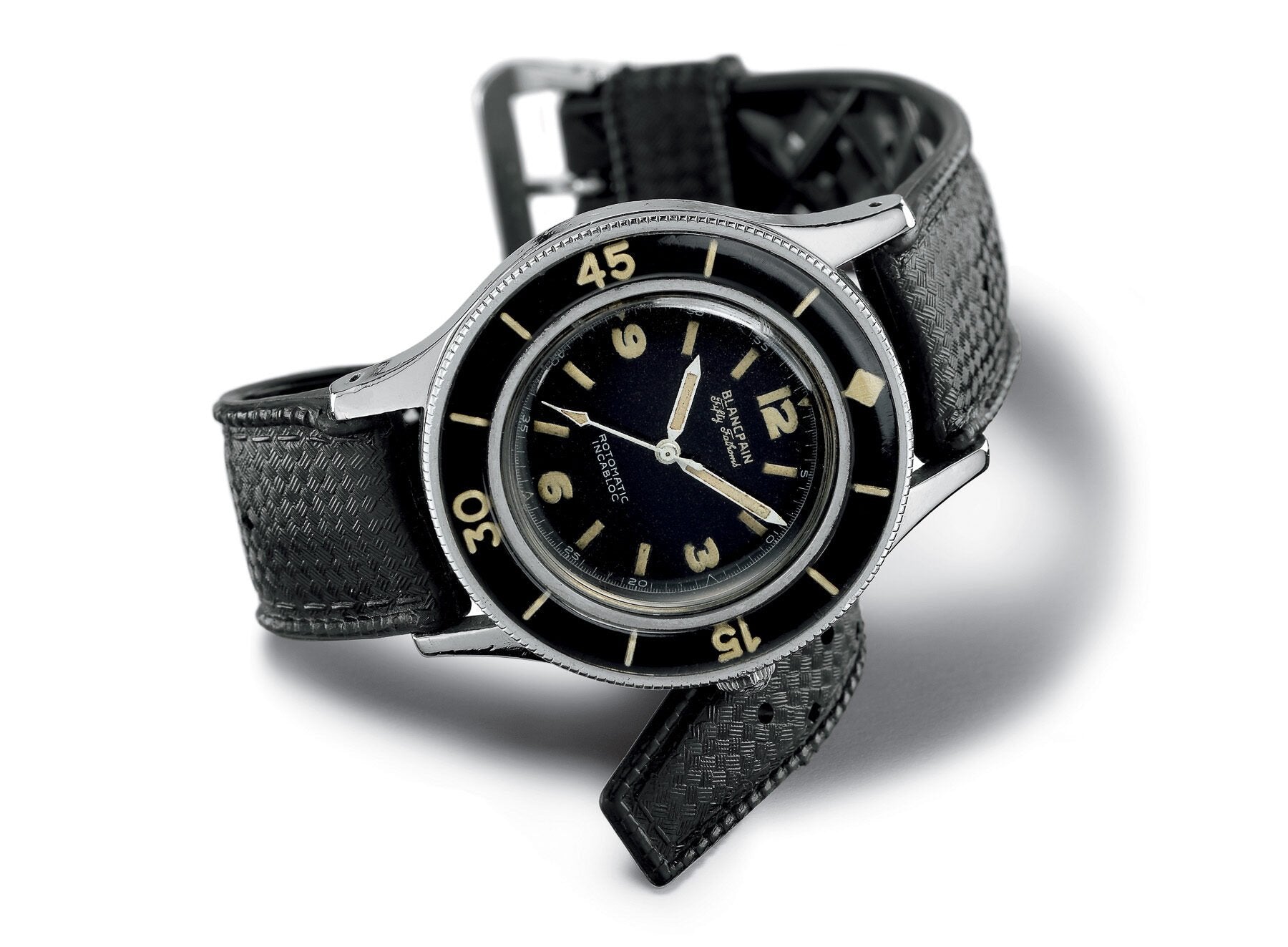
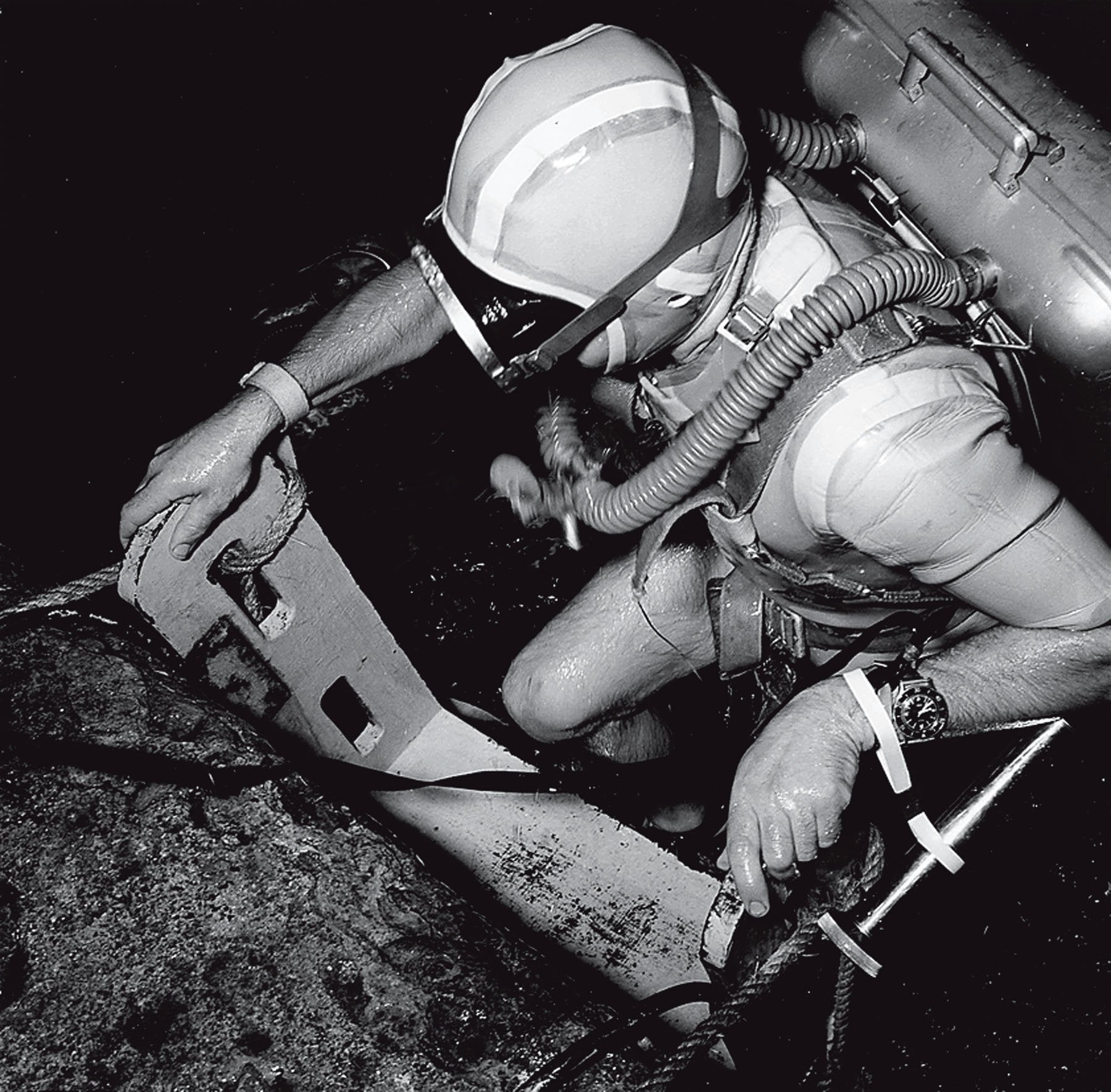
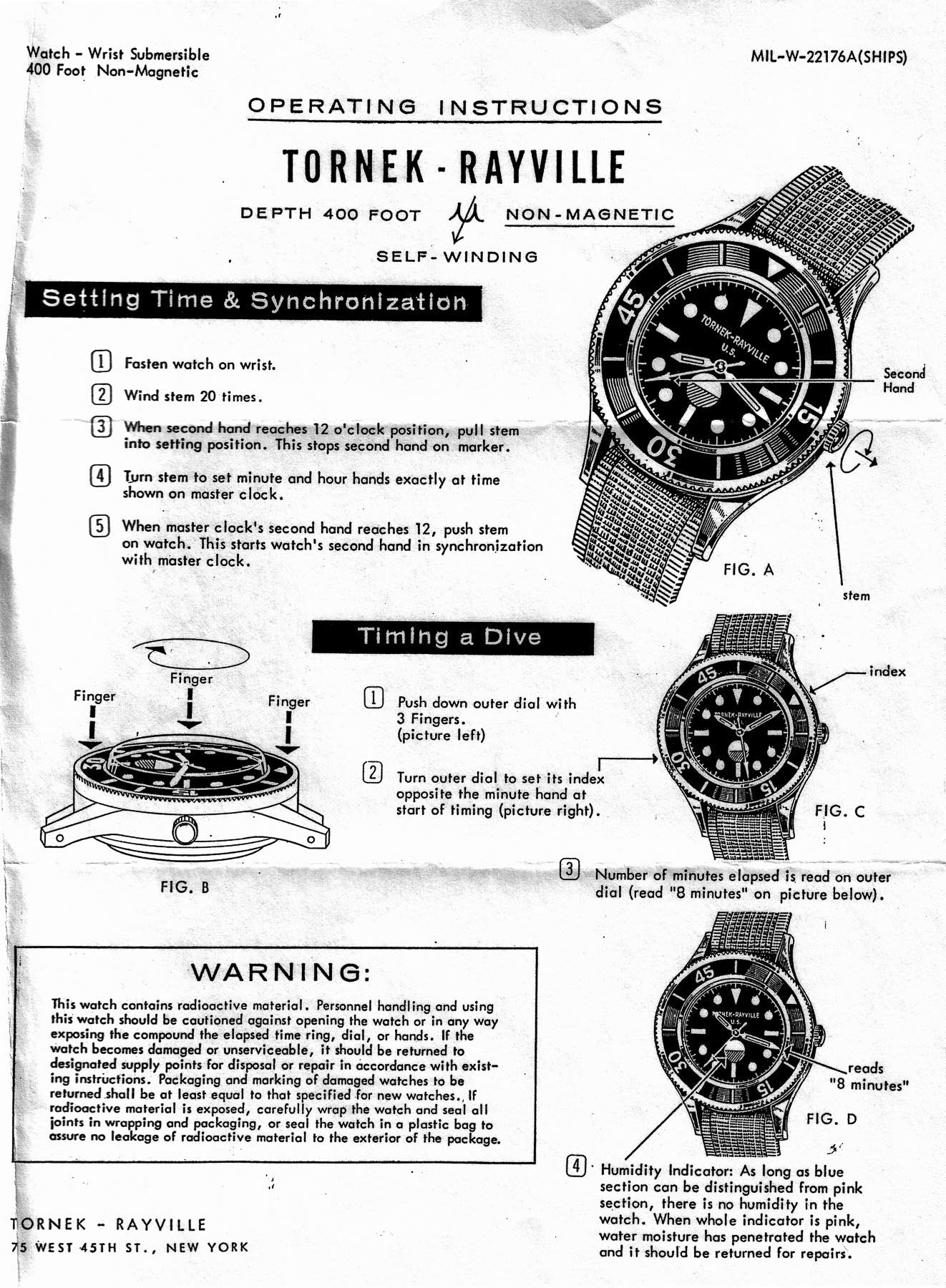
The Blancpain Fifty Fathoms is one of the first “modern” diving watches, created in 1953 for French combat swimmers who wanted a waterproof, luminous watch with a rotating bezel for measuring dive times. It was water-resistant to a depth of “50 fathoms,” or approximately 91.44 meters. This figure corresponded to the maximum depth that could be reached by a diver equipped with a scuba tank at the time. It was powered by an automatic caliber based on the A. Shild AS 1361N. It was worn by Commander Cousteau in his film The Silent World, which introduced the general public to the ocean depths. The film won the Best Documentary Film Award at the 1956 Cannes Film Festival. It has been produced in several versions, such as the American Bathyscaphe and Waltham versions and the French Lip version. These models were distributed by other manufacturers, who collaborated with Blancpain to ensure the Fifty Fathoms' distribution on the civilian market.
Crédit : fratellowatches.com
Crédit : fratellowatches.com
Crédit : fratellowatches.com
The Seiko Astron
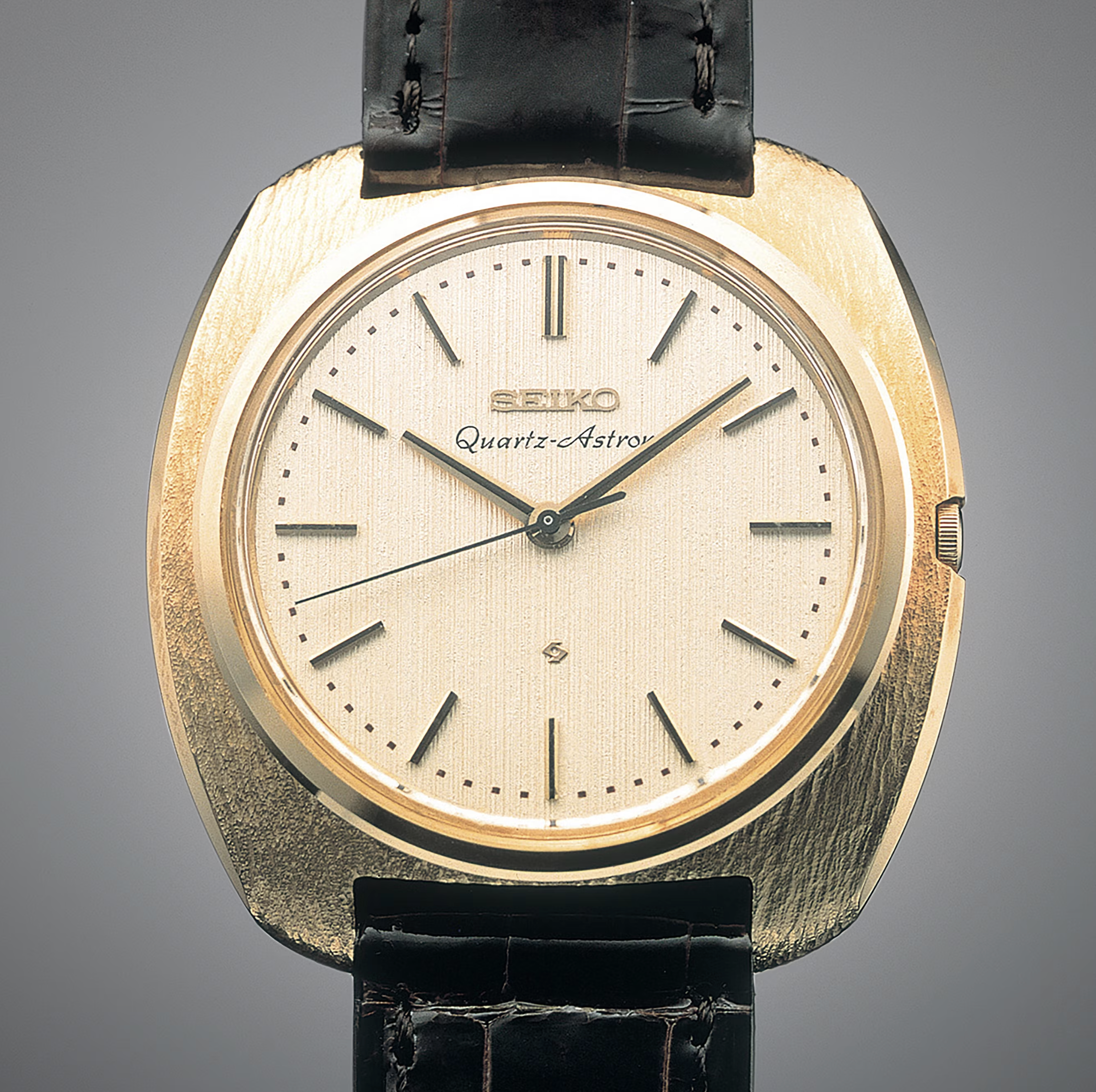
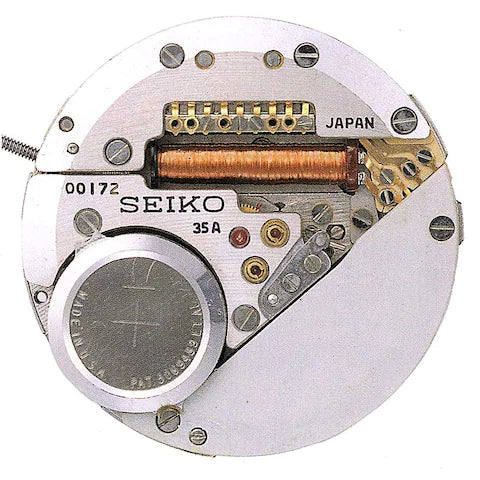
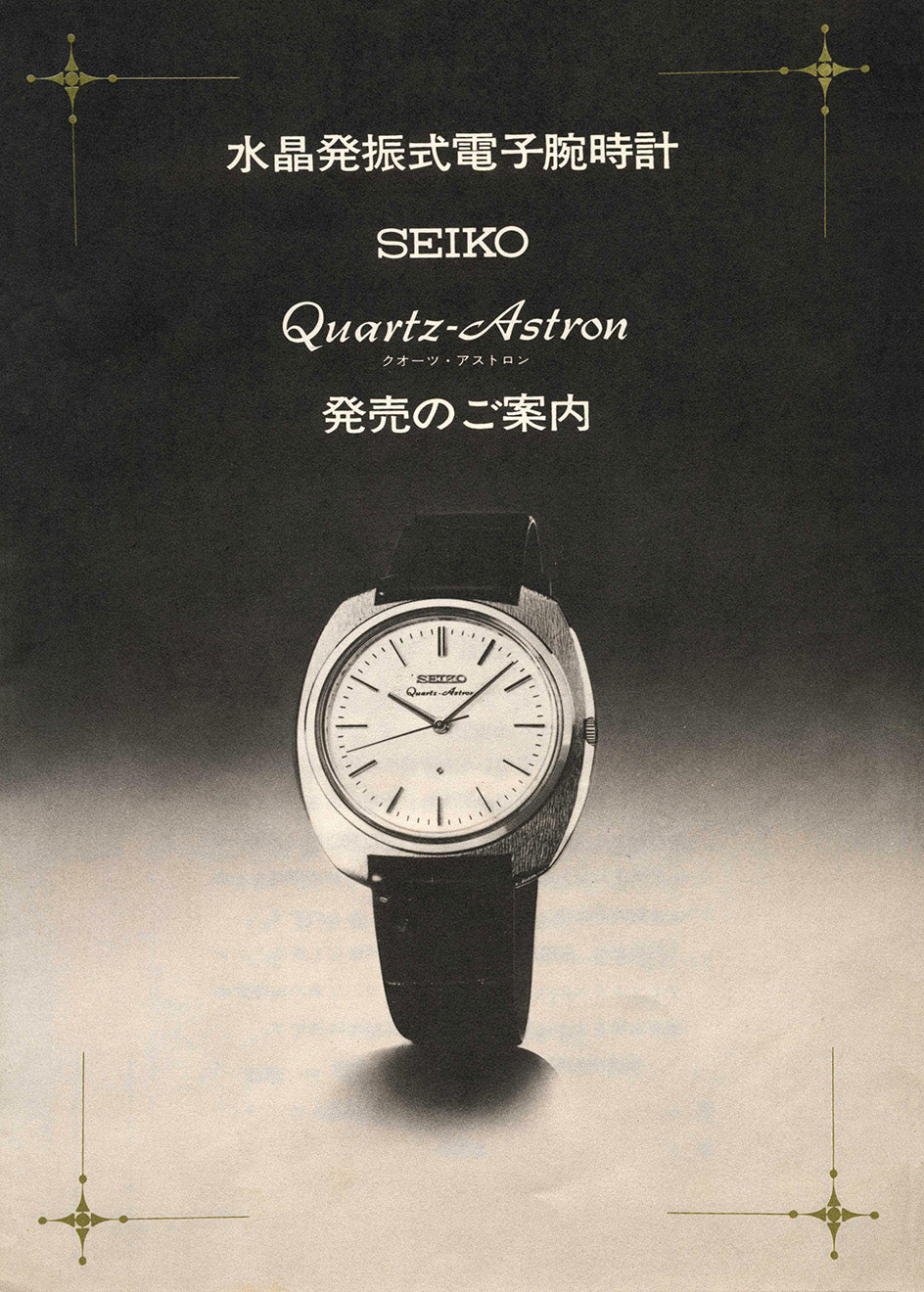
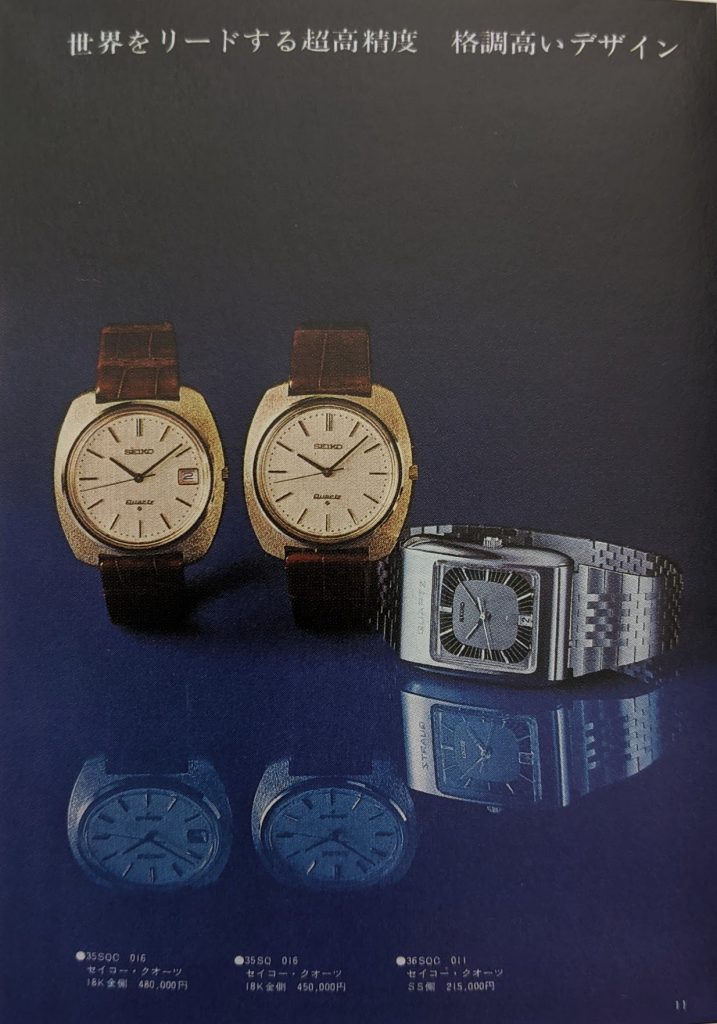
The Seiko Astron 35SQ was the world's first quartz watch, launched in 1969 at Christmas. It revolutionized the watchmaking industry, offering unparalleled precision and reliability thanks to the use of a quartz crystal as a regulator in its 35A caliber. It paved the way for Japan's domination of the watch market, to the detriment of Switzerland, which experienced a serious crisis in the 1970s. It was so advanced that it was included in the IEEE Milestones list, which recognizes major advances in electronic engineering. With its gold case, it was worth the price of a Toyota Corolla (450,000 JPY or $1,250 at the time, or about €10,000 in 2024).
Crédit : hodinkee.com
Crédit : telegraph.co.uk
Crédit : theseikoguy.com
The Panerai Radiomir
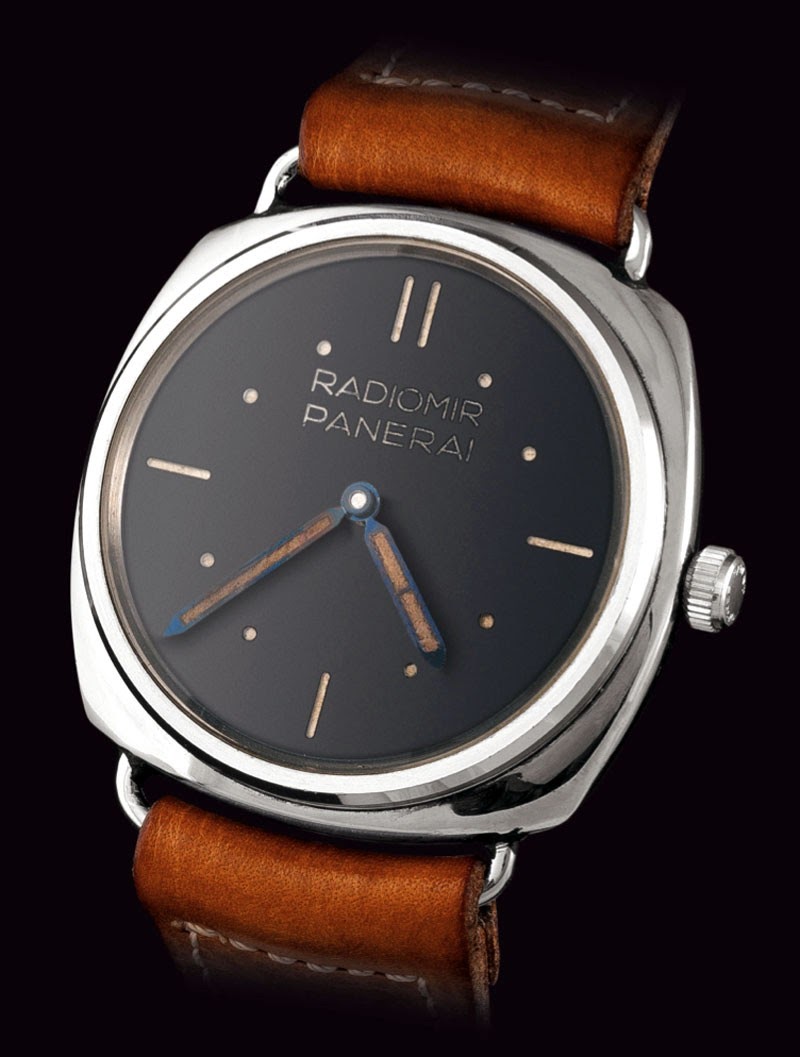
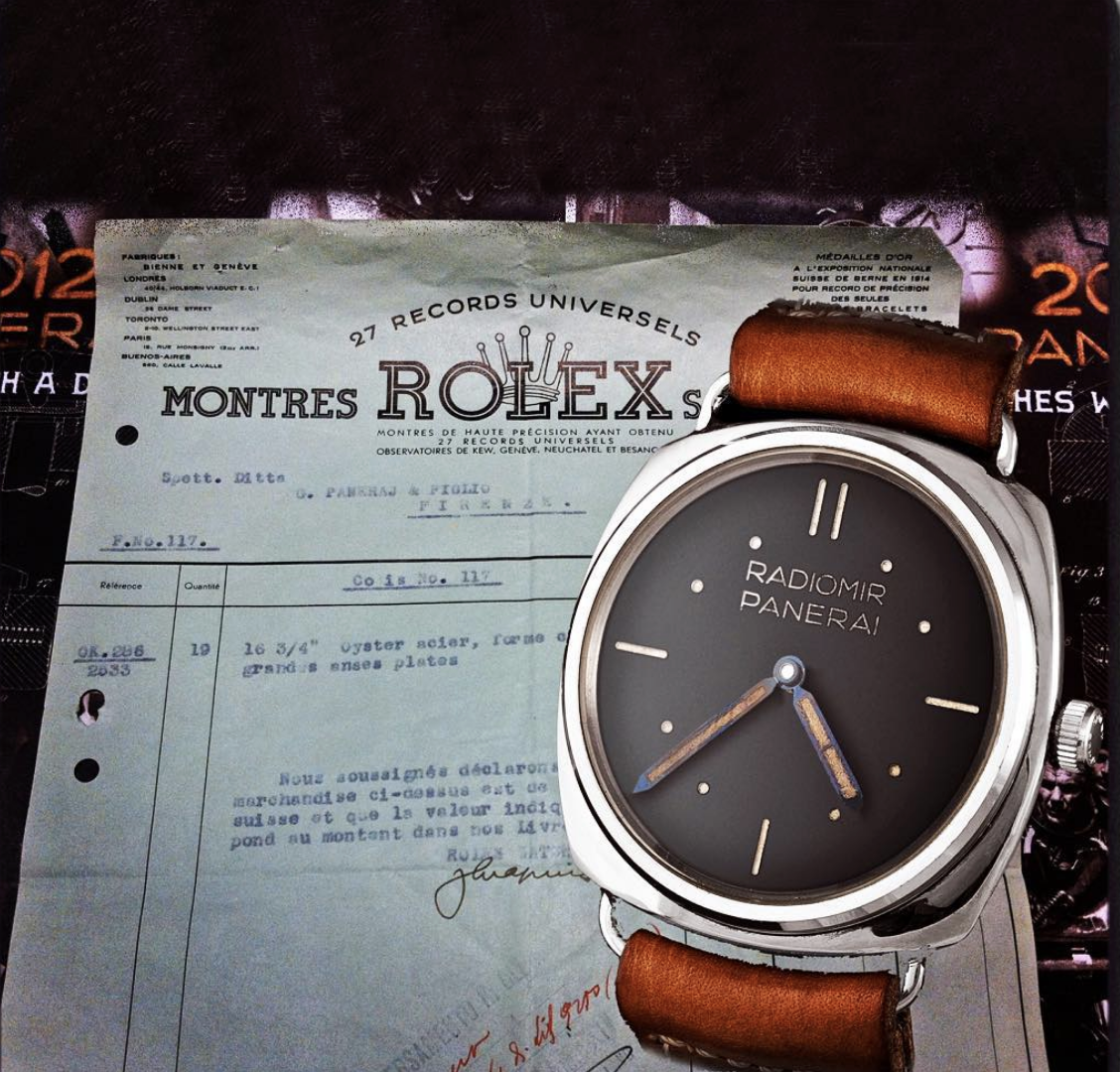
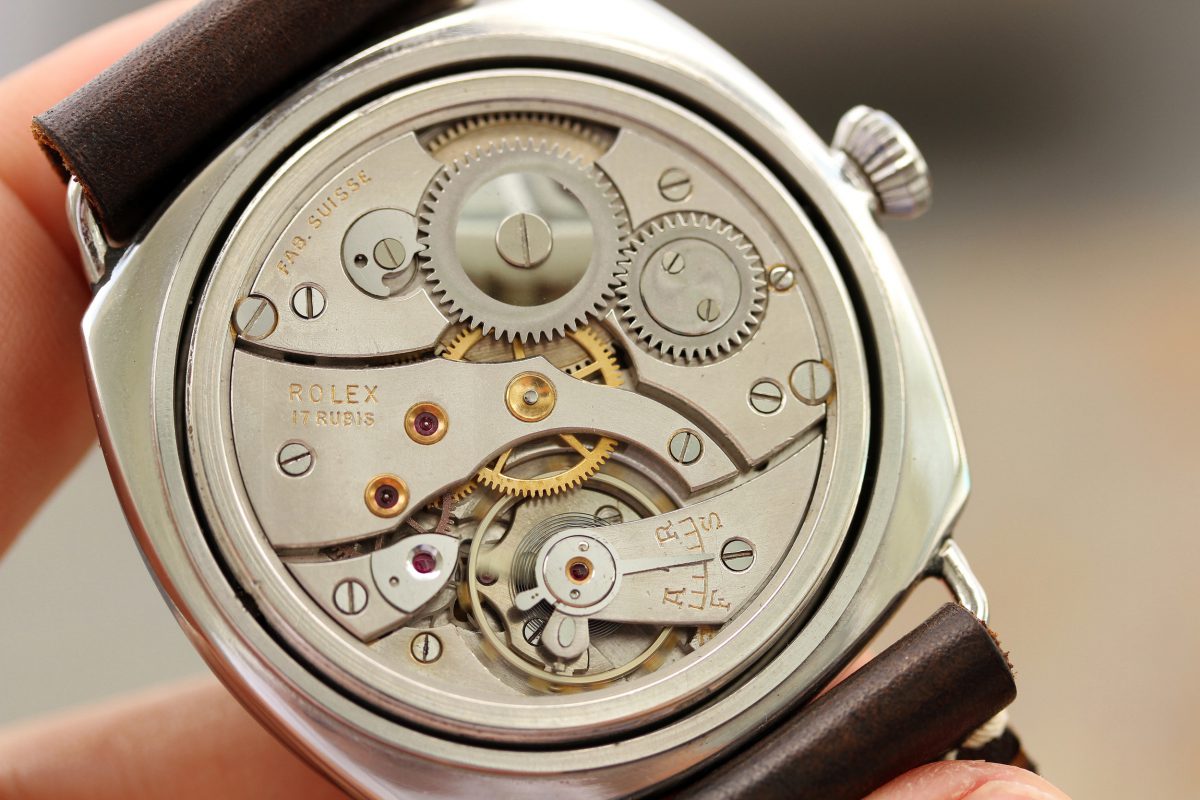
The Panerai Radiomir 2533 is a diving watch created in 1935 for the Italian Navy. It takes its name from Radiomir, a radium-based luminescent substance that allowed the time to be read in the dark. Its design is intriguing, with its imposing cushion-shaped case and minimalist dial featuring oversized Arabic numerals. It was equipped with movements supplied by Rolex based on the Cortébert caliber. It was worn by renowned underwater explorers such as Commander Yves Le Prieur, inventor of the self-contained diving apparatus, and Professor William Beebe, pioneer of the bathysphere. It was also used by Italian combat swimmers, who carried out secret and dangerous missions during World War II.
Crédit : watchprosite.com
Crédit : Instagram @goldberger
Crédit : lunaroyster.com
-----
If you still don't have the slightest interest in vintage watches, there's definitely nothing more I can do for you, because these stories are so fascinating! Thank you for reading, and feel free to suggest other topics that might interest you via DM on Instagram, for example.
This article is part of an ongoing exploration of vintage watches.
I offer independent analysis and private inspections for collectors.
Have a great time on the website!
Joshua Grillet